Affordable Fence Installation: Quality Solutions That Fit Any Budget
Budget-friendly fence installation offers a chance for homeowners to upgrade their outdoor spaces without breaking the bank. With careful planning, property owners can explore various materials and options that fit within their financial means. Understanding the balance between cost and quality is essential. This overview will examine methods for making educated decisions, ensuring that the chosen fence not only looks appealing but also serves its purpose effectively. What elements should residents examine to ensure the best outcomes?
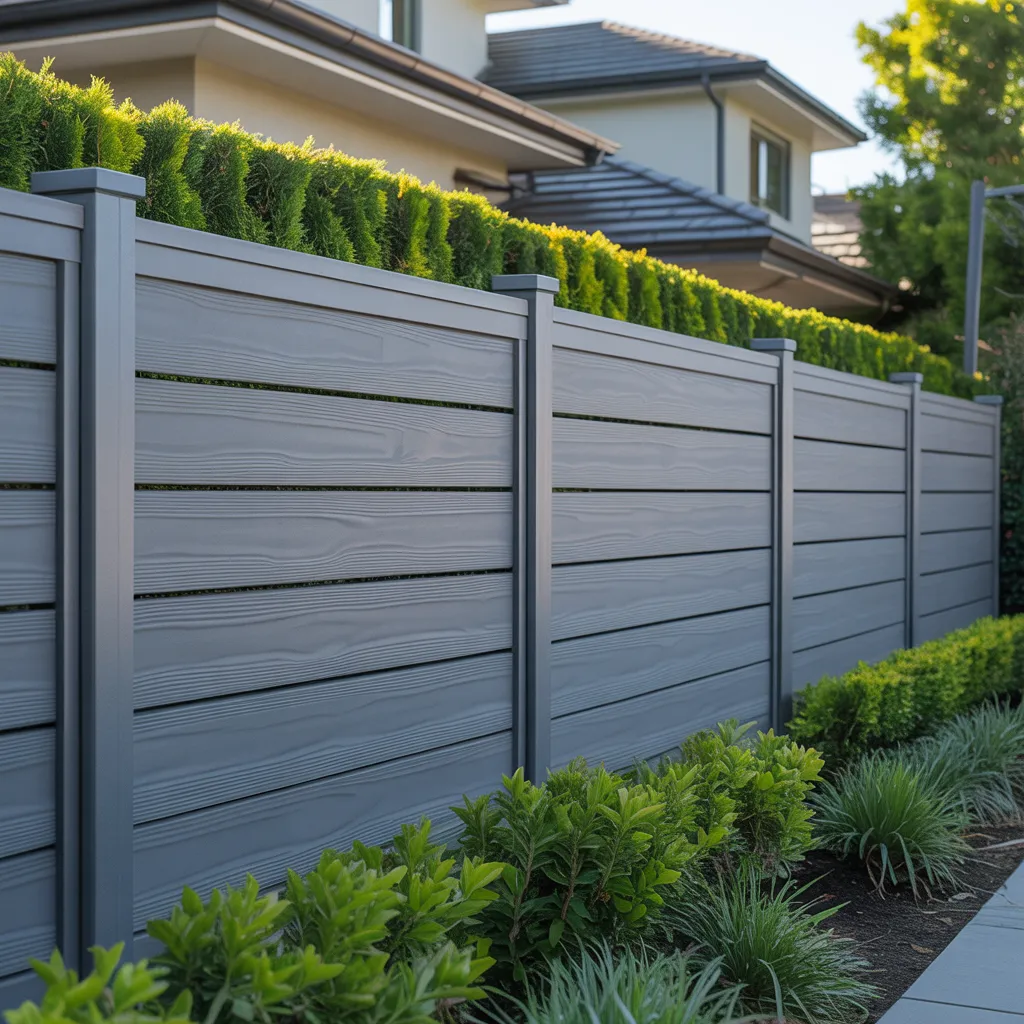
Establish Your Fence Budget
Creating a budget for fence installation is vital for homeowners seeking to handle costs strategically. Setting a precise financial threshold aids in forming thoughtful decisions across the entire installation process. Homeowners are advised to commence by examining their individual fencing necessities, such as dimensions, style, and function. This initial evaluation enables them to measure the complete extent of the project.
Furthermore, homeowners should be mindful of extra expenses, including labor, permits, and potential site preparation. Requesting quotes from multiple contractors can also offer a wider view of market pricing, making sure financial limitations are honored. Moreover, homeowners should contemplate reserving a financial buffer for surprise financial obligations that may surface during the project. By developing a thoroughly considered financial plan, homeowners can navigate the complexities of fence installation while preserving harmony between budget and quality standards, ultimately producing a fulfilling end result.
Affordable Fencing Materials: What to Choose
When evaluating affordable fencing materials, property owners commonly ask which choices offer the optimal mix of price and resilience. Vinyl fencing emerges as a popular choice due to its low maintenance requirements and longevity, often lasting over 20 years. Chain-link fencing serves as yet another affordable alternative, offering reliable protection without excessive costs. It remains highly regarded for its functional design and uncomplicated installation procedure.
Lumber, though somewhat pricier, provides visual charm and adaptability. Selecting treated wood can enhance its durability against the elements. Composite options, crafted from reclaimed wood and plastic, offer an eco-friendly solution, combining cost-effectiveness with long-lasting performance.
Metal fencing, like aluminum, provides a practical yet attractive choice, immune to rust and corrosion. Ultimately, the selection of fence material should align with the property owner's requirements, tastes, and financial considerations, guaranteeing a lasting and budget-friendly solution.
Budget-Friendly Design Concepts for Beautiful Fencing
When looking into budget-friendly fencing design ideas, individuals often explore innovative material options that can elevate both visual appeal and usability. Hands-on fencing projects provide a practical means to customize outdoor areas while keeping costs low. By merging creative concepts with personal effort, property owners can accomplish stunning outcomes without breaking the bank.
Unique Materials Selections
An array of innovative material choices can convert an ordinary fence into an eye-catching feature without overspending. Recycled wood, such as reclaimed pallets or barn wood, offers a classic rustic character while being cost-effective. Vinyl fencing provides a low-maintenance, modern look and is available in a wide range of colors and styles. Furthermore, bamboo can produce an exotic tropical appearance and is typically more cost-effective than traditional wood options. For a unique touch, metal accents, like ornamental panels or wrought iron features, can enhance the overall look while ensuring durability. Mixing these materials can also create eye-catching visual contrasts, establishing the fence as the centerpiece of the property. In summary, strategic material selection can enhance both beauty and affordability.
Do-It-Yourself Fence Projects
Transforming a yard with a DIY fencing project can be both fulfilling and economical. Homeowners seeking to improve their outdoor areas frequently discover that straightforward, inventive designs can produce remarkable outcomes. Pallet wood, for example, acts as an inexpensive and adaptable material, enabling the creation of rustic-style fences that are simple to put together. Additionally, wire fencing combined with climbing plants can create an attractive barrier while promoting greenery. For a contemporary appearance, recycled metal sheets can deliver a polished look without a high price tag. Utilizing materials such as bamboo or other reclaimed resources can additionally help cut down costs. In the end, DIY fencing projects not only enhance privacy and security but also provide an opportunity for self-expression and innovation in outdoor spaces.
DIY or Hiring a Professional: What Is the Best Choice for Your Affordable Fence?
What factors help one decide between handling fence installation independently or enlisting a professional? This choice typically depends on a number of important considerations. Initially, one should consider their proficiency and background in handling construction work. Individuals with extensive DIY experience may handle fence installation with ease, whereas others could find the process daunting due to its intricacies.
Furthermore, budget considerations play an essential role. DIY projects can save money on labor costs, but the cost of tools, supplies, and possible errors must be considered. Additionally, having adequate time is an important consideration; a packed schedule could make professional services a more attractive option.
In conclusion, the scope of the project should be considered. Straightforward projects might lend themselves well to DIY efforts, whereas bigger or more detailed projects could take advantage of professional knowledge. Weighing these aspects will support an informed decision that matches both budget and intended standards.
Strategies for Locating Affordable Fence Contractors
Identifying cost-effective fence contractors involves thoughtful assessment of available alternatives. Comparing multiple quotes can help homeowners identify the best value for their budget. Moreover, reviewing community listings delivers useful details about reliable contractors in the region.
Compare Multiple Quotes
Gathering multiple estimates is vital for anyone searching for budget-friendly fence installation. This approach enables homeowners to assess various pricing models and services provided by different contractors. By securing a minimum of three quotes, individuals can develop a better grasp of market pricing and spot any inconsistencies. It is important to examine not only the cost but also the caliber of materials and the extent of work covered in each estimate. Additionally, homeowners should inquire about warranties and timelines, as these factors can greatly affect overall satisfaction. By diligently reviewing bids, individuals can arrive at educated choices, making certain they hire a contractor who offers both competitive pricing and superior quality, culminating in a satisfying and economical fencing undertaking.
Browse Local Listings
Once multiple quotes have been evaluated, homeowners can also strengthen their pursuit of budget-friendly fence contractors by exploring local listings. Local directories, community boards, and online platforms like Yelp or Angie's List deliver helpful details regarding professionals in the area. These listings often include customer reviews, ratings, and contact information, enabling homeowners to make well-informed decisions. Additionally, local listings can reveal unique offers or discounts extended by contractors looking for work. It's wise to cross-reference listings with social media platforms, as many contractors showcase their work and customer feedback there. By utilizing these resources, homeowners can locate trustworthy contractors who fit their budget and needs, guaranteeing they obtain quality service without exceeding their budget.
Cost-Effective Fence Maintenance Tips
Regular upkeep is essential for ensuring the longevity and functionality of any fence. Routine checks can assist in detecting problems such as rust, rot, or loose panels. Property owners ought to wash their fences regularly, clearing away grime and buildup that could lead to deterioration. In the case of timber fences, treating surfaces with a protective coating periodically can shield against moisture and increase overall longevity.
In addition, it is beneficial to trim adjacent vegetation to prevent overgrowth, which can create structural concerns. Repairing minor issues quickly can help avoid costly replacements over time. For metal fences, anti-rust treatments are important, while vinyl fences require routine washing to maintain their look.
Finally, knowing the local climate can inform upkeep schedules. In regions with severe weather conditions, more regular maintenance may be necessary. By following these budget-friendly upkeep tips, homeowners can ensure their fence structures remain functional and aesthetically pleasing for the long term.

Common Questions and Answers
What Is the Typical Price for Fence Installation in My Area?
Average costs for fence installation in the area usually range from $1,500 to $4,000, influenced by material choices and property size. Homeowners should obtain multiple quotes to confirm they are receiving fair and competitive rates for their project.
What Is the Typical Time Frame for Fence Installation?
The installation of a fence generally requires one to three days, based on factors including the type of fence, terrain, and crew size. Weather may also affect the entire timeline substantially.
Can I Use Recycled Materials for My Fence?
Yes, recycled materials can be used for a fence. Numerous homeowners choose reclaimed wood or repurposed metal, which not only cuts down on costs but also encourages sustainability, making it a green choice for fencing needs.
What Permits Are Required for Fence Installation?
Local regulations typically require permits before installing a fence, varying by jurisdiction. Homeowners should consult practical advice their local city or county planning department to confirm adherence to local zoning codes, height restrictions, and property line rules prior to starting construction.
What Is the Best Way to Choose the Ideal Fence Height?
To select the appropriate fence elevation, you should consider local regulations, privacy requirements, and visual preferences. Furthermore, evaluating the surrounding area and desired function can help guide your choice, ensuring the fence meets functional and visual needs.